Stainless steel is hygienic, corrosion-resistant and durable, which is why it's used in the food and chemical industries, in marine conditions and in interiors. The fibre laser cuts stainless accurately with minimal heat input, preserving the part's shape and surface.
Please state the grade (e.g. AISI 304 or AISI 316), thickness and surface finish. If the sheet is brushed or has a protective film, be sure to mention it.
Typical parts
- Food-processing equipment parts
- Kitchen and bar equipment
- Signs and logos
- Façade and interior components
- Parts for marine environments
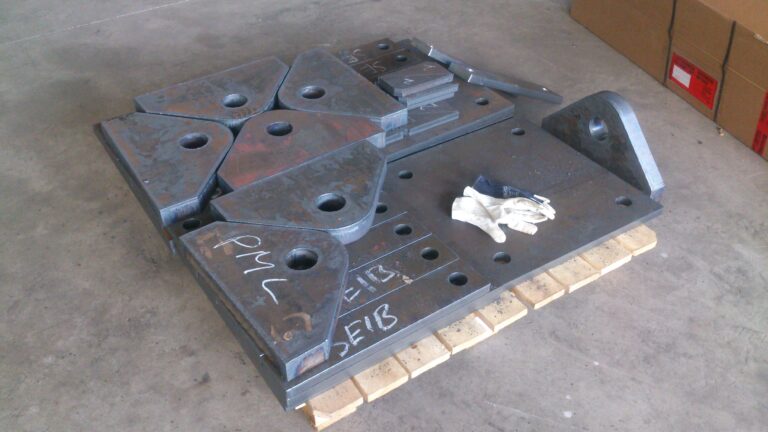
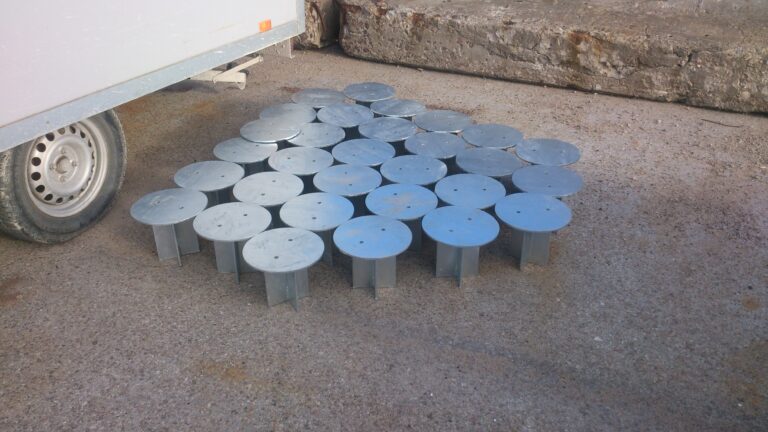
- Mounting and base plates
Specifications
Drawing tips
- State the surface finish (e.g. 2B, brushed) and whether it must stay under the protective film.
- If the part has a visible and a hidden side, mark the visible side on the drawing.
- As a rule of thumb, hole diameter should be at least equal to the material thickness — we review smaller holes individually.
From drawing to finished part in four steps
Send your drawing
DXF or DWG at 1:1 scale, a dimensioned PDF or even a photo of a sketch. Add material, thickness and quantity.
Get a quote
We review the drawing and send a quote within hours. The lead time is stated in the quote.
Confirm — we cut
Once you confirm, we schedule the job and cut your parts on the fibre laser.
Collect your parts
Pick up finished parts from our workshop at Leiva 5, Mustamäe, Tallinn.
Stainless steel laser cutting up to 6 mm — questions
How thick can you cut stainless steel?
We cut stainless steel up to 6 mm thick, with a maximum sheet size of 1500 × 3000 mm.
Which stainless grade should I choose?
AISI 304 is the most common general-purpose stainless. AISI 316 is more corrosion-resistant and better suited to marine and chemical environments. Tell us the application and we'll advise.
Can you cut brushed or film-coated stainless?
Mention the surface finish and protective film in your request — we take it into account in the quote and when cutting.
Send your drawing — we reply within hours
What to include
- Drawing (DXF or DWG at 1:1 scale, a dimensioned PDF or a photo of a sketch)
- Material and grade (e.g. S235, AISI 304, aluminium 5754)
- Thickness in millimetres
- Quantity and required date